Experienced Tree Maintenance: Enhance Your Landscape's Vitality and Beauty
Skilled tree services are necessary for upholding the health and beauty of natural areas. These practitioners offer an array of services, from trimming to disease inspection. Their work not only elevates the aesthetic appeal of landscapes but also guarantees the safety of the environment. However, many homeowners underestimate the significance of regular tree servicing. Understanding its impact can lead to a more vibrant and sustainable landscape, encouraging further exploration of the topic.
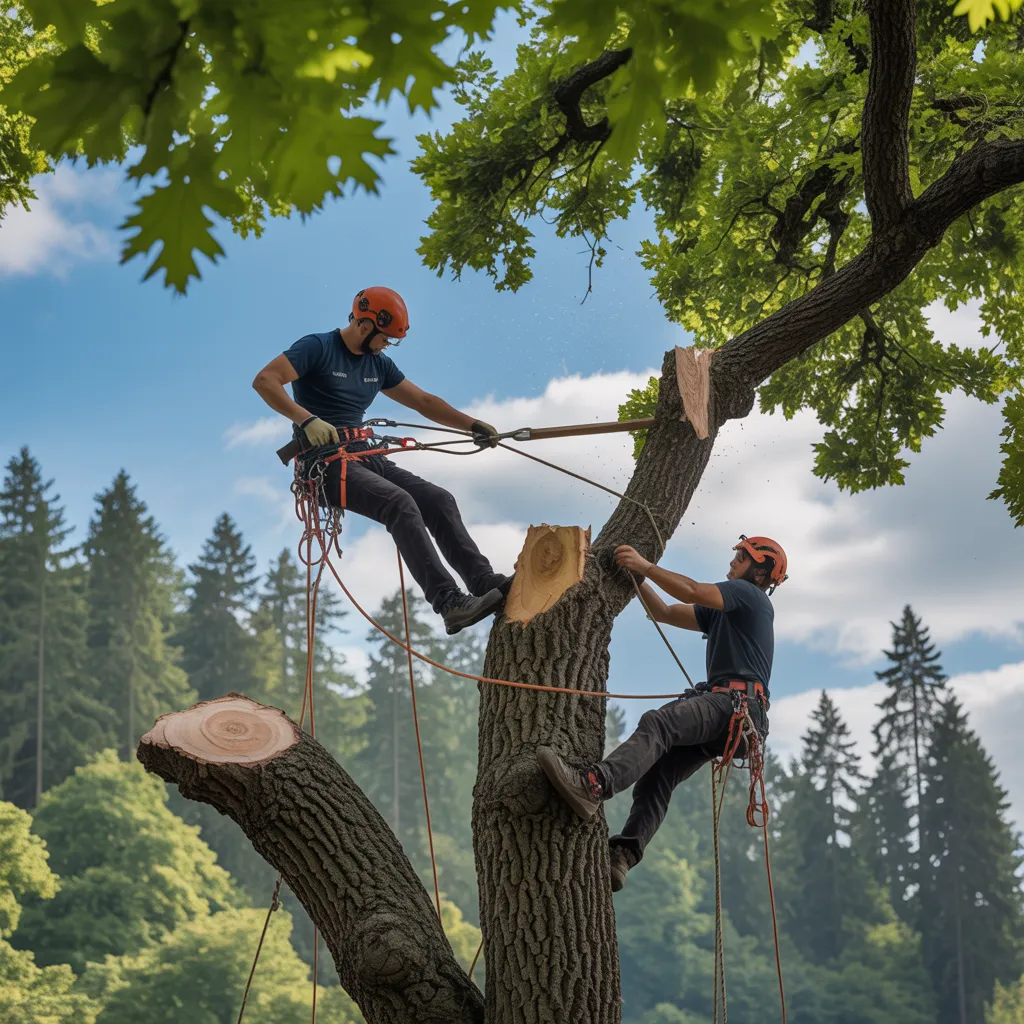
Why Professional Tree Care Is Essential
Professional arborist services plays a key role in safeguarding the health and safety of both residential and commercial landscapes. Trees offer important contributions to the environment by improving air quality, providing shade, and boosting aesthetic appeal. Consistent maintenance ensures trees stay healthy and tough against pests, diseases, and unfavorable weather conditions. Neglecting tree care can cause hazardous scenarios, such as falling branches or uprooted trees, that threaten people and property. Furthermore, well-kept trees can increase property value and curb appeal, making professional tree care a wise investment for both homeowners and businesses. Expert arborists have the skills to assess tree health, recommend suitable care methods, and apply them safely. By focusing on professional tree care, property owners can nurture a healthier landscape, support biodiversity, and create a more inviting outdoor space for everyone. As a result, investing in these services is not only sensible but also vital for preserving landscape longevity.
Frequent Arboricultural Services Displayed
Tree services offer a variety of necessary tasks that boost tree health and safety. Among these, tree pruning techniques are key for keeping structure and advancing growth, while stump removal solutions resolve the remnants of felled trees. Understanding these services helps homeowners make informed decisions about their landscape management.
Tree Care Techniques
Pruning enhances the health and beauty of trees, making it an essential activity for maintaining their vigor. Various methods are employed by tree service practitioners to achieve ideal results. Thinning involves selectively removing branches to increase light penetration and air circulation, which minimizes the risk of disease. Crown reduction is another method that lowers the height of a tree while maintaining its natural shape, preventing potential hazards. Deadwooding targets the removal of dead or dying branches, promoting overall tree health. Additionally, formative pruning shapes young trees to confirm strong structure and growth. Each technique is fitted to the specific species and condition of the tree, confirming a balanced approach to landscape enhancement and longevity.
Stump Takeout Alternatives
Following trimming, the subsequent phase in preserving a thriving landscape often involves addressing tree stumps remaining. Stump removal important information is an important offering provided by tree care experts, as remaining stumps can impede development, draw in pests, and pose dangerous risks. Multiple techniques are utilized for stump removal, such as grinding, which reduces the stump to wood chips, and complete removal, which removes the stump and roots entirely. Each method has its benefits, depending on the size of the stump and the adjacent landscape. Additionally, experts often offer replanting solutions to fill the void created by the stump, improving the visual beauty of the area. Overall, stump removal is a crucial aspect of landscape care that fosters a improved environment
Advantages of Regular Tree Service
Ongoing tree maintenance offers considerable advantages, containing improved tree health and elevated visual attractiveness. By handling issues like pruning and disease management, trees can thrive and resist environmental strain. Additionally, well-tended trees contribute positively in the overall beauty of landscapes, increasing property value and resident satisfaction.
Optimized Tree Development
Routine maintenance is essential for improving tree health and value. Regular pruning removes dead or unhealthy branches, which can stop the spread of infections and pests. This process encourages strong growth by allowing sunlight and air to flow through the canopy, promoting photosynthesis. Moreover, routine inspections can detect early signs of disease or stress, allowing timely actions that can save a tree's life. Fertilization and adequate watering, key elements of maintenance, ensure that trees receive vital nutrients and hydration, supporting their overall vitality. In addition, mulching helps conserve soil moisture and controls temperature, creating a favorable environment for root development. Collectively, these practices greatly enhance the longevity and strength of trees, fostering a healthier landscape.
Improved Visual Beauty
A well-maintained tree can significantly improve the visual appeal of any landscape. Routine tree maintenance, such as cutting, trimming, and managing diseases, ensures trees stay healthy and attractive. Pruning aids in forming the tree, promoting a balanced and attractive silhouette while removing dead or unsightly branches. Additionally, healthy trees provide vibrant foliage and seasonal colors, enriching the overall look. Well-maintained trees serve as focal points that add character and structure to gardens and yards. Furthermore, the planned placement of trees can create welcoming pathways and shaded areas, enhancing outdoor usability. Therefore, investing in regular tree care not only keeps trees healthy but also significantly improves the beauty and charm of a landscape, making it more attractive to residents and visitors alike.
Determining When to Call a Professional
When should homeowners consider seeking expert arborist assistance? There are multiple signs that indicate it is time to contact professionals. Firstly, if a tree shows symptoms of illness, such as yellowing foliage or irregular development, professional assessment is crucial for its health. Additionally, trees that are leaning dangerously or have apparent fractures in their trunks
The Method of Tree Removal and Replacement
Homeowners may find themselves requiring to take down a tree for different causes, including safety concerns and landscape redesign. The process of tree removal usually begins with a thorough assessment by qualified personnel, who examine the tree's vitality, location, and surrounding environment. If removal is deemed necessary, the team will organize by barricading the zone, verifying safety measures are in place to protect both people and property.
After the setup is done, the extraction procedure requires cutting the tree down in a controlled manner, accounting for factors such as wind direction and surrounding structures. After the tree is felled, the stump is often pulverized or removed entirely to permit new yard work.
Following the elimination, homeowners can opt to substitute the tree with a more suitable species. This substitution procedure involves selecting a vigorous specimen that aligns with the landscape's design and ecological needs, enhancing both aesthetic appeal and environmental health.
Finding the Best Tree Service Specialist
What methods can help one identify a trustworthy tree service provider among many options? The opening step is to seek referrals from friends and family, as personal feedback often yield valid insights. Subsequently, individuals should examine credentials, making certain that the provider is licensed and insured; this protects both the homeowner and the service team from potential liabilities.
Furthermore, examining online reviews can expose the provider's reputation within the community. A reputable tree service will typically offer free estimates and detailed consultations, allowing clients to comprehend the scope of work.
It is also essential to seek information regarding the company's experience and qualifications, specifically in handling specific tree-related issues. Finally, straightforward pricing and explicit contractual agreements can further indicate integrity and competence. By adopting these practices, property owners can make informed decisions, leading to lush outdoor spaces and greater visual appeal.
Regularly Requested Questions
How Much Will Professional Tree Services Generally Expense You?
Typical tree services range from $200 to $2,000, determined by elements including tree size, type of service, and location. Homeowners should solicit various estimates to confirm fair pricing and quality service.
Do Arborists Maintain Coverage and Legal Licenses?
Most professional arborist service providers are obligated to be insured and licensed to function legally. This guarantees protection for both clients and workers, reducing liability and ensuring adherence to industry standards and safety protocols during services performed.
What Represents the Ideal Window of Year for Tree Trimming?
The ideal window for tree trimming is during the late winter and early spring months, ahead of new growth initiates. This schedule facilitates healthy growth, minimizes stress on the tree, and allows for ideal sight of the tree's framework.
Do Tree Services Support Pest Control Efforts?
Yes, tree services can provide assistance with controlling pests by identifying infestations, proposing treatments, and managing tree health. Their expertise ensures successful pest management, which protects both trees and the surrounding landscape from potential damage.
How Can I Prepare My Home for Tree Work?
To get ready a property for tree services, one should clear the area of debris, ensure easy access for equipment, notify neighbors, and secure pets indoors. Adequate planning improves safety and efficiency during the tree work process.